
Gurgling Drains in Cobham
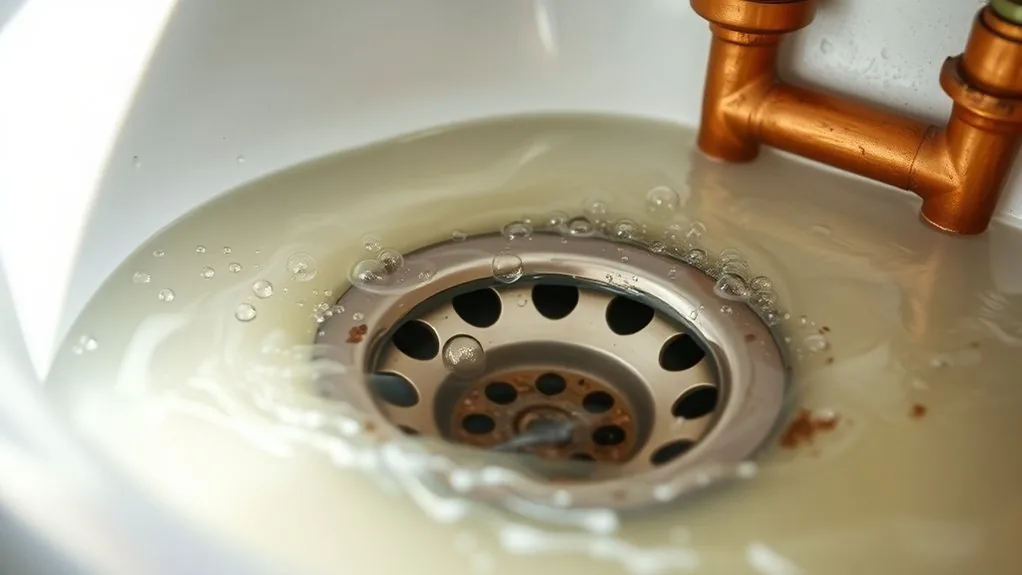
If your drains are gurgling, it usually means trapped air is struggling through water in the pipes. This can be caused by blockages or poor venting.
This issue can lead to slow drainage, unpleasant odours, or even backups.
For a fast quote or emergency callout in Cobham, please get in touch.
When a drain gurgles, it’s usually the sound of air moving through water in your plumbing system instead of venting smoothly through the pipes. You’re hearing trapped air fighting its way through standing or rapidly changing water flow. In a healthy system, drain airflow moves freely through vent pipes, preventing pressure imbalances.
Gurgling drains occur when that airflow’s restricted by partial blockages, undersized or obstructed vents, or improper pipe slopes. These conditions create negative or positive pressure pockets that pull or push air through the water seal in your trap, producing the gurgling noise. Understanding this helps you respond safely: you’ll aim to restore proper venting and clear obstructions, not just mask the sound with temporary fixes or chemical drain cleaners.
When you hear persistent gurgling, notice water draining slowly or backing up, or smell foul odors from your drains, your plumbing system’s venting or waste lines are likely under stress and need prompt attention. If multiple fixtures—such as a toilet, sink, and tub—are affected at the same time, it’s a strong indicator of a developing blockage or vent issue rather than an isolated clog. Recognizing these warning signs early lets you act quickly, reduce health risks from sewer gases, and prevent more extensive water damage or system failure.
Although an occasional bubble of air in your pipes isn’t unusual, persistent drain gurgling is a clear warning that wastewater isn’t flowing correctly and pressure is building in the system. You’re hearing air forced through standing water in the trap, often due to partial blockages, undersized vents, or vent obstructions.
If the gurgling occurs every time you use a specific fixture, it’s signaling that targeted drain cleaning is needed to restore proper airflow and prevent negative pressure from pulling on traps. Ignoring it can allow sewer gases to escape or stress joints and seals.
Address it early with professional inspection, mechanical cleaning (not just chemicals), and vent evaluation. Effective corrections provide noise reduction, protect pipe integrity, and maintain a safe, sanitary plumbing system.
Persistent gurgling often goes hand in hand with another red flag: slow or backed‑up water at sinks, tubs, or floor drains. When fixtures drain sluggishly, you’re likely dealing with a developing water blockage restricting flow in the trap, branch line, or main sewer. The gurgle is air being displaced through limited openings, not moving cleanly through a vented, unobstructed pipe.
Don’t ignore this. Repeated plunging or chemical products can damage pipes or simply push the clog deeper. Start with safe, mechanical drain cleaning methods such as a drain snake or wet/dry vacuum, and avoid overfilling fixtures that are already slow. If multiple drains back up at once, shut off water where possible and call a licensed plumber immediately to prevent overflow or sewage backup.
Even before water slows or backs up, foul or unusual odors coming from your drains are a strong indicator that something’s wrong in the plumbing system. Persistent drain odors typically mean organic buildup, a partially blocked vent, or a dry P-trap that’s allowing sewer gas to enter your home. Those plumbing smells aren’t just unpleasant; in high concentrations, sewer gases can be hazardous.
Start by running water for 30–60 seconds in rarely used fixtures to refill traps. Next, clean accessible traps and stoppers, removing hair, grease, and sludge. If odors coincide with gurgling when nearby fixtures drain, you’re likely dealing with a venting or deeper line issue. At that point, it’s safest to call a licensed plumber for inspection and corrective repairs.
Odors aren’t the only early warning sign; when multiple fixtures start gurgling or draining poorly at the same time, the problem usually extends beyond a single trap or branch line. If a toilet flush makes a nearby tub gurgle, or running a bathroom sink affects the shower, you’re likely dealing with a partially blocked main drain or a venting issue.
This pattern means air and wastewater can’t move freely through the system, increasing the risk of sewage backup. Stop using affected fixtures until you’ve identified the cause. DIY attempts are risky if you’re unsure where the obstruction is. Prioritize professional drain cleaning and schedule routine plumbing maintenance to keep main lines and vents clear, preventing recurring gurgling and potential overflow.
When a drain starts gurgling, it usually points to disrupted airflow or partial blockage somewhere in the plumbing system. You’re hearing air fight its way through water and debris rather than flowing smoothly. Targeted drain cleaning and consistent plumbing maintenance reduce these risks and help you catch problems before they escalate into leaks or sewage backups.
When you call us to deal with gurgling drains in Cobham, we start with a structured diagnosis that can include CCTV inspection to pinpoint blockages, defects, or partial collapses without guesswork. Depending on what we find, we’ll clear the system using high-pressure jetting, rodding, or mechanical cutting equipment selected to be effective while protecting your pipes and your property. If the pipework is damaged, we’ll advise whether a localised repair or full relining is the safest, most durable solution.
Although gurgling drains can seem minor at first, our engineers in Cobham treat them as early warning signs and start with a structured diagnosis before any repair work begins. First, they ask you targeted questions about when the noise occurs, then check traps, vents, and accessible pipework for poor gradients, partial blockages, or airlock risks.
Next, they use CCTV inspection to view the internal condition of your drains in real time. The camera identifies fat build-up, scale, displaced joints, root ingress, or collapsed sections without excavation. Every defect is logged with depth and exact location, supporting planned drainage maintenance rather than guesswork.
From this data, you’ll get clear recommendations on immediate fixes, preventative regimes, and any essential plumbing upgrades to protect your system.
So how do we actually clear the issues causing those gurgling drains in Cobham? Once diagnosis and sewer inspection confirm blockages, we often use high-pressure water jetting. A specialised nozzle is fed into the pipe, delivering water at controlled high pressure to strip away grease, silt, scale, and intrusive debris from the pipe walls.
You don’t just “blast” the drain; pressure, flow rate, and nozzle type are precisely matched to pipe size and material, protecting joints and fittings. This method restores full bore flow, which removes trapped air pockets and stops gurgling.
High-pressure jetting also supports long-term drain maintenance. By thoroughly cleaning the system, it reduces the risk of recurring blockages, foul odours, and potential overflows, while remaining safe for properly constructed pipework.
High-pressure jetting isn’t always the most appropriate tool, especially for partial obstructions or older, more fragile pipework, which is where rodding and mechanical clearance come in for gurgling drains in Cobham. We’ll first carry out a pipe inspection to pinpoint the blockage and confirm the pipe’s condition, ensuring the method we choose won’t damage joints or brittle sections.
Using flexible drain rods or mechanical cutters, we physically break up and pull back sludge, limescale, and small root intrusions that cause airlocks and gurgling. This targeted approach restores the bore of the pipe while keeping control over the force applied. As part of planned drain maintenance, rodding and mechanical clearance help you prevent recurring gurgles, backups, and unpleasant odours in a safe, controlled way.
When gurgling drains in Cobham keep returning despite thorough clearance, it’s usually a sign there’s an underlying defect that needs repair or relining rather than another quick unblock. At this stage, we’ll carry out a CCTV survey to confirm what’s happening inside the pipework and pinpoint cracks, displaced joints, or partial collapses.
If the structure’s mostly sound, drain relining is often the safest, least disruptive option. A resin-impregnated liner is inserted and cured in place, creating a smooth, watertight pipe within the existing run, restoring flow and stopping air being drawn through defects.
Where damage is extensive, pipe repair or localised excavation is required. We’ll isolate the area, work to WRc standards, and test thoroughly before reinstating.
Although gurgling drains can escalate quickly into overflows or backups, you’re not left waiting for help in Cobham. You get a fast response that prioritises isolating the fault, protecting your property, and restoring safe operation of your system.
When you call, you’re given a clear arrival window and an engineer equipped for urgent diagnostics. They’ll assess water pressure behaviour, run controlled flow tests, and, where required, use CCTV surveys to pinpoint partial blockages, venting faults, or structural defects.
Rapid intervention reduces the risk of contamination, damp, and damage to finishes. You’ll also get practical drain maintenance guidance tailored to your property, so you can minimise recurrence—covering safe use, early warning signs, and suitable inspection intervals for your part of Cobham.
Because gurgling drains can indicate anything from a minor internal blockage to a collapsed shared sewer, it’s essential to understand where your responsibility starts and ends. As a rule, you’re responsible for internal pipework and the drains within your property boundary that serve only your home. That includes toilets, basins, kitchen waste, and any private soakaways.
If the affected pipe is outside your boundary or serves multiple properties, responsibility usually shifts to the water company or landlord. Clear records, site plans, and professional plumbing inspections help confirm this. For rented homes, you must report issues promptly; the landlord typically arranges drainage maintenance and repairs. When in doubt, don’t lift manhole covers yourself—get a qualified drainage engineer to assess the system safely.
Rather than waiting for drains to gurgle again, you should put simple, consistent habits and basic maintenance in place to keep the system flowing safely. Effective drain maintenance protects pipework, preserves water flow, and reduces the risk of sudden blockages or sewer backups.
When gurgling drains threaten your home or business in Cobham, you need specialists who diagnose the underlying cause, not just silence the noise. You want a team that understands venting, gradients, and how your entire system interacts, from underground pipework to internal plumbing fixtures.
We use methodical testing, CCTV inspections, and targeted cleaning to restore proper airflow and flow rate, not mask symptoms. Our technicians are trained to distinguish between partial blockages, vent failures, and structural defects, so you get the correct fix the first time.
You’ll also get clear advice on ongoing drain maintenance, helping you protect pipework and sensitive plumbing fixtures. All work’s completed to current regulations, with strict attention to hygiene, backflow risk, and contamination control.
You’ll probably want clear answers on how fast we can attend to gurgling drains in Cobham, what it’s likely to cost, and whether there’s anything safe you can try before calling us. You may also need to confirm that your specific area in Cobham is within our coverage zone. Below, you’ll find concise, practical responses to these common questions so you can act quickly and safely.
Although every property and blockage is different, gurgling drains in Cobham are typically assessed and attended to on a same‑day basis, with genuine emergencies prioritised for rapid response. If you’ve got water backing up, foul smells, or multiple fixtures gurgling at once, you’ll usually be scheduled for an urgent visit.
Engineers first carry out a safety‑focused assessment: checking Water pressure effects, pipe condition, and any signs of structural damage. This ensures the right method’s used, from basic drain maintenance through to high‑pressure jetting or CCTV surveys.
If you call early, you’re more likely to secure a same‑day slot. While you’re waiting, don’t use chemical cleaners, avoid running excessive water, and isolate affected appliances where possible.
Fast response times naturally lead to the next concern: what gurgling drains in Cobham are likely to cost. You’ll usually face a call‑out fee plus labour, with prices varying by time of day, access, and severity of the blockage. Straightforward drain cleaning is cheaper than repairs to collapsed or misaligned pipework.
| Service / Situation | Typical Cost Consideration* |
|---|---|
| Standard weekday call‑out | Lower rate, scheduled time slots |
| Emergency evening/weekend visit | Higher premium for rapid attendance |
| Routine drain cleaning | Fixed or hourly, depending on access |
| CCTV survey & diagnostic reporting | Additional one‑off investigative fee |
| Ongoing plumbing maintenance plan | Predictable monthly/annual cost |
Transparent quoting protects you from surprises and supports safe, long‑term plumbing maintenance. *Exact figures depend on property layout and condition.
When a drain starts gurgling, it’s reasonable to try a few safe checks before calling an engineer, but it’s essential to understand where DIY stops and professional work begins. You can start with basic DIY fixes: remove visible debris from plugholes, clean hair and soap from traps, and use a plunger correctly to restore airflow. Avoid chemical drain cleaners, as they can damage pipes and create hazards for engineers.
If multiple fixtures gurgle, sewage odours appear, or water backs up, stop using the system. These are red‑flag conditions where emergency tips focus on prevention, not repair: isolate affected fixtures, don’t flush toilets, and don’t open inspection covers yourself. At that point, you need a qualified drainage specialist with proper equipment.
Once it’s clear you need a specialist rather than more DIY, the next question’s usually whether we can actually get to you. If you’re in Cobham, the answer’s almost certainly yes. We routinely cover major towns and surrounding villages, including Maidstone, Medway, Canterbury, Ashford, Tonbridge, Tunbridge Wells, Dartford, Gravesend, Sittingbourne, Folkestone, and coastal areas.
If you’re unsure, you can still contact us—describe your postcode and the gurgling symptoms and we’ll confirm coverage and response time. That way, you’re not risking further damage while you search. We’ll also advise on immediate, safe drain maintenance steps you can take while you wait, plus basic plumbing tips to reduce the chance of sewage backflow, flooding, or contamination.
Yes, gurgling drains can attract pests and cause bad odours in your home. This usually happens because of partial blockages or ventilation problems that allow organic waste to build up. You should check traps, clean strainers, and flush drains with hot water, and if the problem continues, contact a licensed plumber to inspect the vents and main drains.
Yes, there are eco-friendly products that are safe to use for gurgling drain issues. Using hot water, baking soda, and vinegar is effective and gentle on pipes and septic systems. Avoid corrosive chemicals like bleach and lye, and choose biodegradable, septic-safe, fragrance-free cleaners to protect plumbing and the environment. If the gurgling continues, contact a plumber to check for vents or blockages instead of repeatedly treating the drain yourself.
Yes, gurgling noises can affect multiple properties sharing the same drainage system. This happens due to issues like partial blockages, undersized vents, or surcharging main lines that cause air and pressure changes. You should record when and where the noises occur, ensure all traps remain filled, avoid using chemical drain cleaners, and inform your neighbours and property manager. A licensed plumber should inspect the shared drainage and venting system for faults or blockages.
You should not use your washing machine or dishwasher when drains are gurgling. This sound indicates a blockage that can cause backups, leaks, or sewage exposure if you run these appliances. It is important to have a plumber inspect and clean the drains before using the appliances again.
Seasonal weather changes in Cobham cause soil movement and changes in groundwater levels that affect pipe angles and trap air, leading to recurring gurgling drain problems. Heavy winter rain can overload combined sewers, while summer drying causes soil shrinkage that stresses pipe joints and reduces drainage efficiency. It is advisable to schedule pre-winter CCTV inspections, clear gutters and gullies, fit backwater valves if necessary, and watch for sewage odours or slow drains as warning signs.
Although a gurgling drain might seem minor at first, it’s often an early warning of restricted flow, partial blockages, or ventilation issues in your plumbing system that can quickly escalate into backups or overflows. To get it sorted today, start with basic drain maintenance: clear accessible trap covers, run hot water, and avoid chemical cleaners that can damage pipework.
If you’re confident and it’s safe, you can use simple plumbing tools like a plunger or manual drain snake on a single affected fixture. Don’t dismantle pipework, disturb sealed joints, or enter inspection chambers.
If gurgling persists, multiple fixtures are affected, or there’s any sign of sewage, stop using the system and call a qualified drainage engineer immediately.